Summary
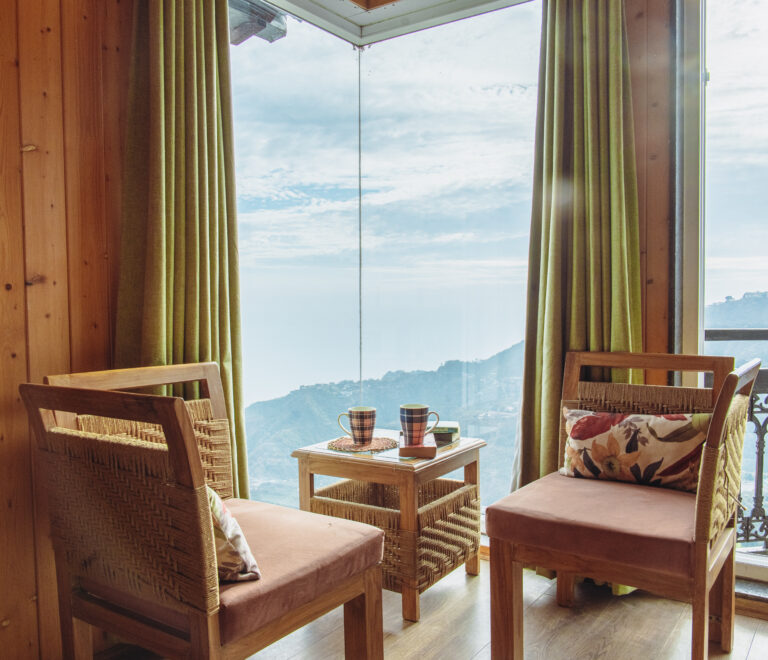
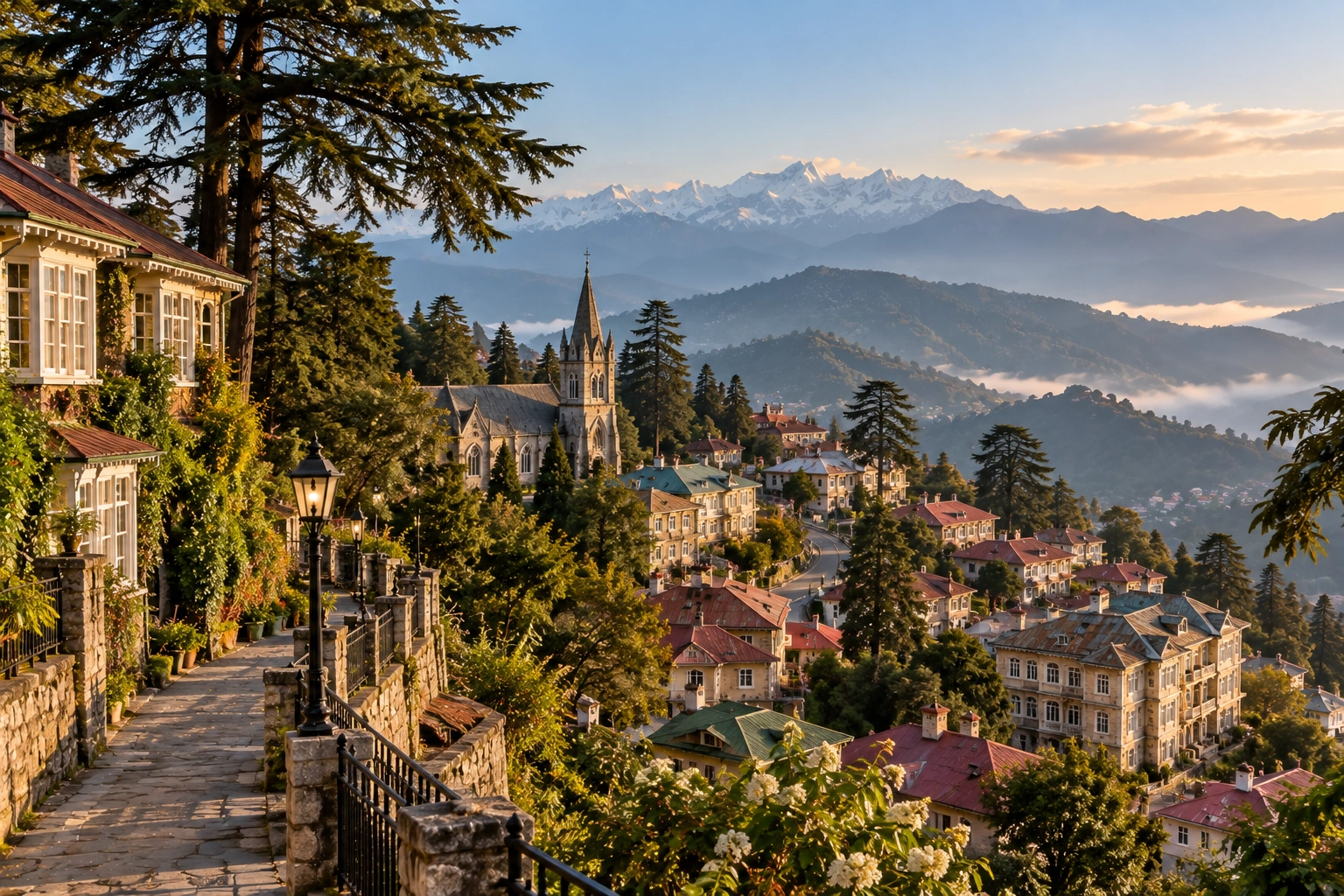
Discover how old is mussoorie and explore the early history of this beautiful hill town, from British settlements and Landour’s military past to the growth of schools, churches and holiday homes. Learn how homestays in mussoorie and historic places continue to make the town a special destination, with Chalet by The Manor House offering a comfortable base for your trip.
What You’ll Learn
- How Mussoorie developed during the British period.
- The role of Landour and early British settlers.
- How schools, hotels and colonial buildings shaped the town.
- How homestay at mussoorie can make your historical trip more comfortable.
- How Mussoorie’s early history can still be seen today.
Introduction
Mussoorie is one of the most loved hill stations in Uttarakhand. People visit it for its green mountains, pleasant weather, old buildings, peaceful walking paths and beautiful views of the Doon Valley. But many visitors often wonder, how old is mussoorie and when did it actually become a popular hill town?
Mussoorie’s story goes back to the early nineteenth century when British officers started exploring the hills around Dehradun. At that time, the area was not the busy holiday destination we know today. It was mainly covered with forests, small settlements and mountain paths.
Over the years, British officers, soldiers, schools, churches, hotels and local communities helped shape the town. From a quiet hillside retreat, Mussoorie slowly became a famous summer destination and later a popular holiday town for travellers from across India.
In this article, we will look at Mussoorie’s early history, the role of Landour, the arrival of British settlers and the changes that made the town what it is today.
When Was Mussoorie First Established?
To understand how old is mussoorie, we need to look at the early 1800s. Mussoorie did not develop as a planned city in one particular year. It grew slowly after British officers began exploring the hills and realised that the cool mountain climate could be useful during the hot summer months.
The Mussoorie region was already known to local communities before British settlement. The hills had forests, streams, mountain paths and small villages. Local people used the land for grazing animals, collecting forest produce and travelling between settlements.
The British arrival brought a new kind of development. Officers started building houses, roads and resting places. Slowly, more people came to the hills and the area began to look like a small hill station.
The early exploration of Mussoorie
Captain Frederick Young is often connected with the early development of Mussoorie. During the 1820s, he explored the hills near Dehradun along with other British officers. The cool weather and scenic surroundings attracted him to the area.
Young is also associated with the construction of Mullingar, one of the earliest permanent houses in the Mussoorie-Landour region. The house became an important part of the early story of the town.
The arrival of British officers was important because it introduced the idea of using Mussoorie as a summer retreat. The hills offered a break from the heat of the plains and provided a peaceful setting for rest.
Was Mussoorie already a town at that time?
No, Mussoorie was not a developed town like it is today. During its early years, it was more like a growing mountain settlement.
There were no busy shopping streets, large hotels or crowded tourist markets. Instead, the area had:
Forested hills and mountain paths.
xSmall local settlements.
Early British homes.
Military camps and resting places.
Basic roads connecting nearby areas.
Open spaces with views of the Doon Valley.
As more British families and officers arrived, the need for better roads, homes, schools and public buildings increased.
The town continued to grow during the nineteenth century. So, when people ask how old is mussoorie, the answer depends on what they mean. The region has a much older local history, but Mussoorie as a British-developed hill station began taking shape during the 1820s.
Today, visitors staying at homestays in mussoorie can explore many places that still show traces of this early development.
The Early Settlers and British Influence in Mussoorie
The British played a major role in developing Mussoorie as a hill station. They were looking for cooler places where they could spend the summer months away from the heat of the plains. Mussoorie’s height, fresh air and mountain views made it a suitable location.
However, the town’s development was not only the work of British officers. Local workers, traders, builders and families also played an important role. They helped build houses, roads, shops and other facilities needed by the growing settlement.
Why the British came to Mussoorie
During the summer, many parts of northern India became extremely hot. British officers and families often travelled to hill stations for relief from the heat.
Mussoorie offered several advantages:
A cooler mountain climate.
Beautiful views of the Himalayas and Doon Valley.
Forests and peaceful surroundings.
Space for large homes and summer retreats.
A location close to Dehradun.
Opportunities for walking, rest and outdoor activities.
The first British visitors were mainly officers and government officials. Later, families, missionaries, traders and other settlers also started arriving.
The development of early homes
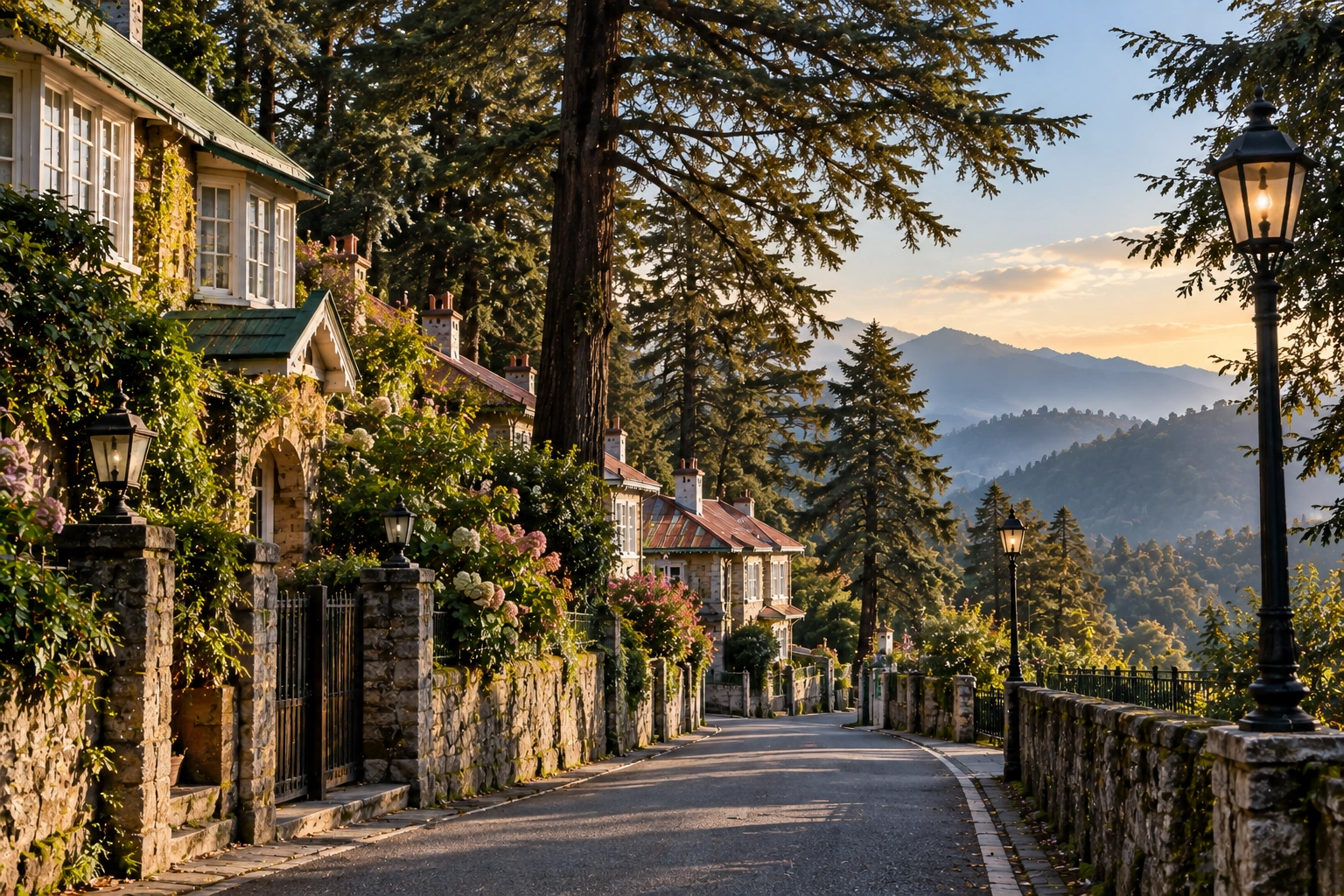
Early British settlers built cottages, bungalows and large homes across the hills. These houses often had sloping roofs, stone walls, wooden windows, wide verandas and gardens.
Many homes were designed according to the weather. Sloping roofs helped deal with rain, while fireplaces and thick walls provided warmth during colder months.
Some of these old buildings have disappeared or changed over time. However, several colonial-style homes can still be seen in Mussoorie and Landour.
The presence of these homes changed the appearance of the hills. Roads were created to connect different settlements, and small shops developed to serve the needs of residents.
The role of local communities
It is important to remember that Mussoorie was not developed by the British alone. Local communities were involved in many parts of the town’s growth.
Local people worked as:
Builders and stone workers.
Shopkeepers and traders.
Guides and porters.
Domestic workers.
Farmers and suppliers.
Road and transport workers.
They supplied food, wood, construction materials and other daily necessities. As the British settlement grew, local markets and neighbourhoods also expanded.
This mixture of British planning and local participation shaped Mussoorie’s early identity.
The connection with modern tourism
The influence of this period can still be noticed today. Many travellers choose homestays in mussoorie because they want to experience the town’s old-world charm along with modern comfort.
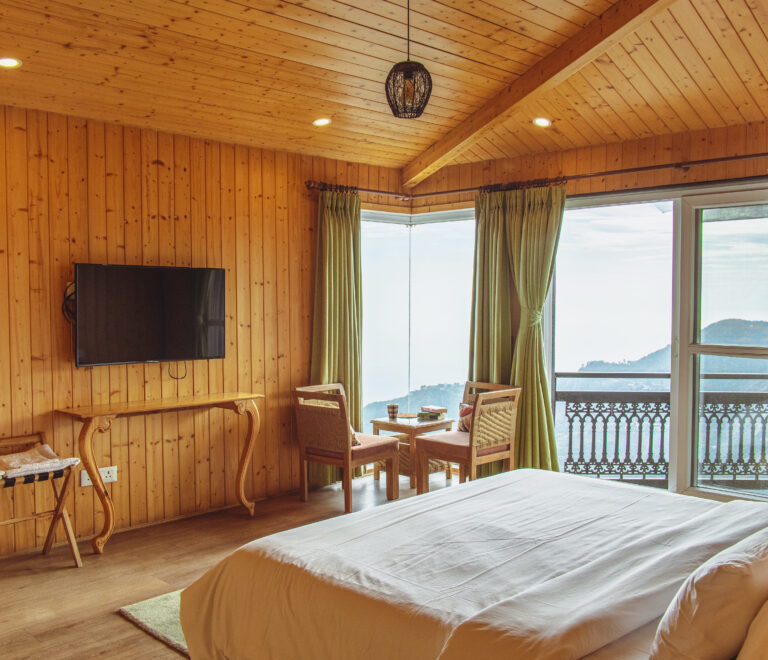
A stay at Chalet by The Manor House can be a convenient option for visitors who want to explore the town’s historical streets, markets and nearby attractions while staying close to the main area.
Mussoorie’s early settlers helped create the foundation of the town, but its identity continued to change as new generations and communities became part of its story.
How Landour Became an Important Part of Mussoorie’s History
Landour is one of the most important places to understand Mussoorie’s early history. Today, people often visit Landour for its peaceful streets, old buildings, cafés, churches and mountain views. But its original purpose was closely connected with the British military.
Landour developed as a cantonment and recovery centre for British soldiers. Its cool climate and quiet surroundings made it suitable for soldiers who needed rest and recovery.
Landour and the British military
During the early nineteenth century, British military officers searched for healthy and cooler places where soldiers could recover from illness and exhaustion. Landour became an important location for this purpose.
A military recovery centre was established in the area during the 1820s. Over time, military homes, churches, roads and other buildings were constructed.
This gave Landour a different character from the more social and commercial parts of Mussoorie. While Mussoorie slowly became a summer retreat and holiday town, Landour remained quieter and more closely connected with military life.
Old buildings in Landour
Many old buildings in Landour reflect its British-era background. Visitors may notice:
Stone cottages.
Wooden windows.
Old churches.
Military-style buildings.
Narrow roads.
Large trees and peaceful gardens.
Historic homes with sloping roofs.
The buildings were designed to suit the mountain climate and the lifestyle of the people who lived there.
Some homes were used by officers and their families, while others were connected with military services and religious activities.
The importance of Mullingar
Mullingar is often described as one of the earliest permanent houses in the Mussoorie-Landour region. It is connected with Captain Frederick Young and represents the beginning of British residential development in the hills.
The house is important not only because of its age but also because it shows how Mussoorie changed from a forested area into a settlement with permanent buildings.
Landour’s peaceful charm today
Landour still feels different from the busier parts of Mussoorie. The streets are quieter, the roads are narrower and the surroundings are filled with trees and old homes.
Places such as Lal Tibba and Char Dukan are now popular with visitors, but the area still keeps much of its historic atmosphere.
Travellers staying at homestays in mussoorie can easily plan a day around Landour. Walking through its streets gives visitors a chance to notice old architecture and understand the town’s connection with the British period.
For people looking for a homestay at mussoorie, staying near the main town can be useful because it allows them to explore both busy attractions and quieter historical areas.
Landour is more than a scenic neighbourhood. It is one of the places where Mussoorie’s early story can still be felt through its buildings, roads and surroundings.
The Growth of Mussoorie as a British Summer Retreat
After the early settlement began developing, Mussoorie slowly became a popular summer retreat for British officers and families. The town’s pleasant climate was its biggest attraction, but better facilities also helped it grow.
As more people visited, the demand for hotels, schools, churches, shops and public spaces increased. Mussoorie gradually changed from a small settlement into a proper hill station.
The arrival of hotels and guest houses
In the beginning, visitors stayed in private homes, military buildings or simple cottages. As tourism increased, hotels and guest houses started appearing.
These properties made it easier for people to visit Mussoorie for longer periods. Large summer homes were built for wealthy families, while hotels provided accommodation for travellers who did not have private connections in the town.
The growth of accommodation also created jobs for local people. Workers were needed in hotels, kitchens, shops, transport services and maintenance.
Even today, visitors have many choices, from large hotels to homestays in mussoorie. A homestay can be suitable for travellers who prefer a more personal and relaxed experience.
The development of schools
Schools played an important role in Mussoorie’s growth. British families wanted their children to study in a cool and healthy environment, so several educational institutions developed in and around the town.
Schools also attracted teachers, staff and families. This helped Mussoorie become more than a place that was used only during summer.
Some schools established during the colonial period are still connected with the town’s identity. Their buildings, grounds and traditions form an important part of Mussoorie’s heritage.
Churches and public buildings
Churches were also an important part of the British settlement. They served the religious needs of British residents and became important community spaces.
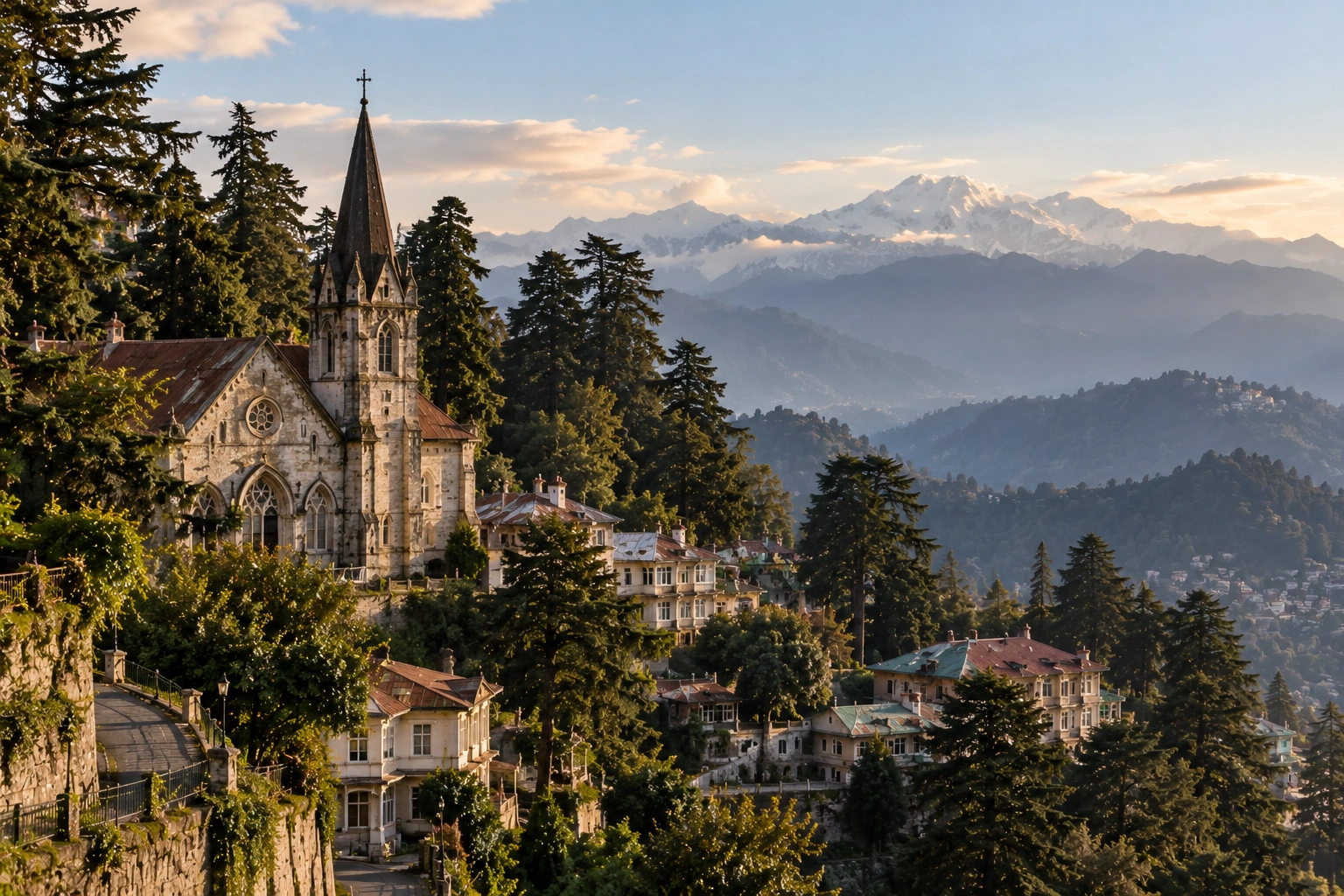
Christ Church is one of the best-known historic churches in Mussoorie. Its architecture reflects the influence of the British period.
The Mussoorie Library is another important landmark connected with the town’s cultural history. Libraries, reading rooms and clubs helped create a social life for residents and visitors.
These buildings gave Mussoorie a distinct appearance. Stone walls, wooden details, large windows, sloping roofs and old pathways became part of the town’s visual identity.
The growth of Mall Road
As Mussoorie developed, the central market area became busier. Mall Road slowly became a place for shopping, walking, meeting friends and enjoying the hill-town atmosphere.
The road was closely connected with the social life of the British settlement. Over time, it became one of the most famous parts of Mussoorie.
Today, Mall Road is visited by families, couples, solo travellers and groups. People come here for shopping, cafés, local food and evening walks.
A homestay at mussoorie near the main town can make it easier to explore Mall Road and nearby heritage areas without spending too much time travelling.
Mussoorie after British rule
After India became independent, Mussoorie continued to grow as a popular holiday destination. The town was no longer only a British summer retreat. Indian families, students, honeymooners and travellers from different parts of the country began visiting it.
Road connectivity improved, new hotels and shops opened, and tourism became an important part of the local economy.
This is how Mussoorie moved from a colonial hill station to a destination enjoyed by people from many backgrounds.
When thinking about how old is mussoorie, it is useful to remember that the town’s growth happened in different stages. Its early British development began in the 1820s, but its identity as a popular Indian holiday town developed over many decades.
How Mussoorie’s Early History Still Shapes the Town Today
Mussoorie may look modern today, but its early history is still visible in many parts of the town. The old buildings, churches, schools, roads and neighbourhoods tell the story of how the hill station developed.
Visitors who explore beyond the main tourist spots can notice details that are easy to miss during a short trip.
Colonial architecture and old homes
The most visible reminder of Mussoorie’s past is its architecture. Many older buildings have:
Stone walls.
Wooden doors and windows.
Sloping roofs.
Large verandas.
Chimneys and fireplaces.
British-style gardens.
Narrow stone pathways.
These features are common in older parts of Mussoorie and Landour. Some buildings have been converted into hotels, cafés or private homes, but their original character can still be seen.
Historic churches and schools
Churches and schools continue to remind visitors of the British period. They show that Mussoorie was developed not only for holidays but also for family life, education and community activities.
These institutions also helped create a settled population in the town. They gave Mussoorie a cultural identity that went beyond tourism.
Local markets and daily life
Mussoorie’s history can also be seen in its markets. Old market areas developed to provide food, clothing, tools and daily supplies to residents and visitors.
Today, these markets are filled with local shops, cafés, bakeries and small businesses. While the products and surroundings have changed, the idea of the market as a centre of daily life remains the same.
Travellers staying at homestays in mussoorie can explore these areas at a relaxed pace and notice how local life continues around historic streets.
The importance of slow exploration
Understanding how old is mussoorie becomes easier when you explore the town slowly. Instead of visiting only famous viewpoints, you can walk through old neighbourhoods, notice the architecture and spend time in Landour.
You can also visit:
Historic churches.
Old colonial streets.
Landour’s quiet lanes.
Heritage-style buildings.
Local markets.
Traditional cafés.
Viewpoints connected with the town’s past.
A stay at Chalet by The Manor House can provide a comfortable base for exploring these places. Travellers looking for the best homestay in mussoorie mall road may prefer a location that allows easy access to both popular attractions and historic areas.
Mussoorie’s history and modern stays
Modern accommodation has also become part of the town’s changing story. Today, people can choose hotels, cottages, villas and homestays in mussoorie according to their budget and travel style.
A homestay at mussoorie can offer a peaceful place to return to after exploring the busy streets. It may also help visitors enjoy the town in a more personal way instead of treating it only as a quick sightseeing destination.
The history of Mussoorie is still alive because the town continues to change while keeping many of its old features. Its past can be seen in the buildings, felt in the quiet streets and remembered through the stories connected with Landour and the early settlers.
Conclusion
The story of how old is mussoorie takes us back to the early nineteenth century, when British officers began developing the hills as a peaceful summer retreat. From Landour’s military past to old churches, schools, cottages and markets, the town’s history can still be seen in many places today. These historic details make Mussoorie more than just a beautiful holiday destination.
For travellers who want to explore this heritage at a relaxed pace, Chalet by The Manor House offers a comfortable base near the main town. Staying at homestays in mussoorie can make it easier to visit old streets, Landour and popular attractions, while a peaceful homestay at mussoorie adds comfort to the overall experience.
People Also Ask
When was Mussoorie founded?
Mussoorie began developing as a British hill station in the 1820s. Captain Frederick Young and F. J. Shore explored the area, while the first permanent house, Mullingar, was built around 1825.
What was Mussoorie called before the British arrived?
The area was connected with the Mansur shrub, which grew widely across the hills. Local people are believed to have used the name Mansuri for the region before it became known as Mussoorie.
How did Mussoorie become famous?
Mussoorie became famous because British officers and families visited it to escape the heat of the plains. Its cool climate, mountain views, schools, hotels and colonial buildings later helped it grow into a popular holiday destination.
What is the oldest house in Mussoorie?
Mullingar, built by Captain Frederick Young in the Mussoorie-Landour area around 1825, is commonly considered one of the oldest permanent houses in the town.
Is Mussoorie older than Landour?
Both developed during the early British period, but Landour became an important military cantonment and recovery centre. Mussoorie developed more as a residential and summer retreat, with both areas growing closely together.
Frequently Asked Questions
How old is Mussoorie as a hill station?
Mussoorie began developing as a British hill station during the 1820s, making its organised hill-station history around 200 years old.
Who is connected with the early development of Mussoorie?
Captain Frederick Young is commonly associated with the early development of Mussoorie and the construction of Mullingar.
Why is Landour important in Mussoorie’s history?
Landour was developed as a British military cantonment and recovery centre for soldiers during the early nineteenth century.
What are the main historical features of Mussoorie?
The town is known for its colonial buildings, old churches, historic schools, Landour streets and British-era homes.
Can visitors explore Mussoorie’s history today?
Yes. Visitors can explore Landour, old buildings, churches, markets and heritage streets to understand the town’s past.